
 sudoku-ball
 Winter sports enthusiasts have long faced a familiar ritual before dropping into a run: bending down in the cold, clipping straps across the boot, and hoping everything stays snug for the whole session. Burton set out to change that faff entirely with a binding system that promises to get riders moving faster and with far less hassle, whilst still delivering the kind of performance that serious boarders demand on the mountain.
At a glance
- Burton's Step On system eliminates traditional straps by using a three-point connection mechanism that allows riders to lock their boots into place instantly.
- The technology provides a balance of convenience and performance, maintaining high responsiveness and boardfeel despite removing manual buckles.
- The system is compatible with all standard snowboard brands, including boards featuring the Channel system or 2×4 hole patterns.
- Burton offers specific models like the Limelight, Photon, and Felix, tailored with different flex profiles and design features for both men and women.
- Riders must use compatible Step On-specific boots, which often feature Boa lacing systems for a precise fit but represent an additional investment.
- Highback settings, such as zero forward lean, allow riders to customize their stance to suit specific styles, ranging from freestyle tricks to aggressive carving.
Understanding burton's innovative step-on binding technology
The Evolution of Burton's Binding System: From Traditional to Step-On
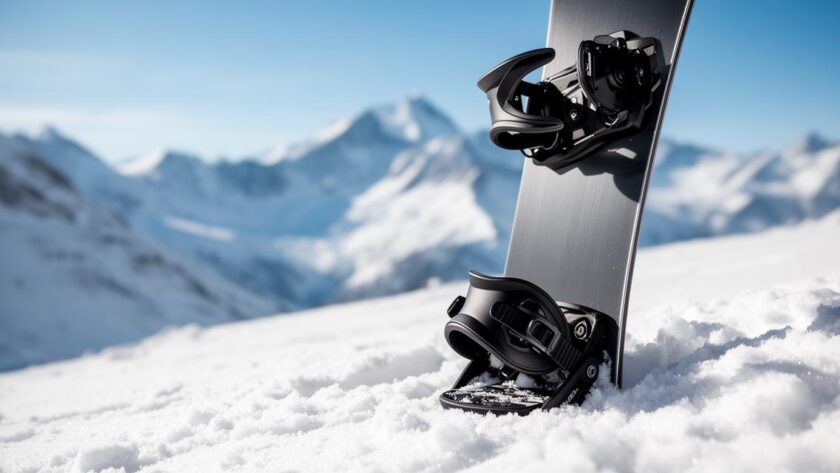
For decades, snowboarding relied on strap bindings that required riders to sit or crouch to fasten their boots securely. Burton's introduction of the Burton Step On bindings for the 2017-2018 season marked a genuine departure from that norm. The brand claims this step-in binding system represents a substantial leap forward compared with earlier attempts at hands-free entry, and it's easy to see why. Rather than fiddling with straps and buckles, riders simply position their boot and press down until it locks into place. The system relies on three connection points, comprising a heel cleat and two toe cleats, which work together to hold the boot firmly against the baseplate. This straightforward mechanism has been engineered to give riders confidence that their setup won't shift mid-run, whilst removing much of the tedious faffing that used to eat into precious lift-queue time.
A reviewer who tested the bindings at Axamer Lizum, close to Burton's European headquarters, found that the transition from traditional straps to this new approach felt intuitive almost immediately. The learning curve, it seems, is refreshingly short. Newcomers to the sport may actually find this system considerably more approachable than wrestling with conventional straps, since there's no need to master the fiddly business of tightening buckles whilst balancing on one leg in the snow.

How the Step-On System Enhances Rider Convenience and Performance
Beyond sheer convenience, Burton has focused heavily on maintaining genuine boardfeel and responsiveness. The worry with any step-in design is that it might sacrifice the connection between rider and board, but testing suggests otherwise. Experienced riders may notice subtle differences in edge-to-edge response compared with strap bindings, though this isn't necessarily a drawback, simply a different sensation that most riders adapt to quickly. The bindings are compatible with any snowboard brand and integrate seamlessly with Burton's Channel system, giving riders flexibility when it comes to setup and adjustment. This adaptability matters enormously, particularly for those who already own boards from other manufacturers and don't fancy replacing their entire kit just to try the new technology.
Exploring the Limelight, Photon, and Felix Models: Comfort and Flex for Every Rider
Limelight and Photon Bindings: Women's-Specific Design and All-Mountain Versatility
Burton hasn't taken a one-size-fits-all approach with its lineup. The Limelight and Photon models are tailored specifically for women, with shaping and flex profiles designed around female anatomy and riding styles. These bindings strike a balance between plush comfort and the kind of responsiveness needed for all-mountain riding, meaning they perform admirably whether you're carving groomed pistes or venturing into softer, more variable terrain. The flex isn't overly stiff, which suits riders who want forgiving support without feeling locked into an unyielding stance. This versatility makes both models appealing to a broad range of ability levels, from those still building confidence to riders who spend entire seasons chasing fresh snow across varied landscapes.
Felix, Ruler, and Swath Models: Men's Bindings with Zero Forward Lean Options
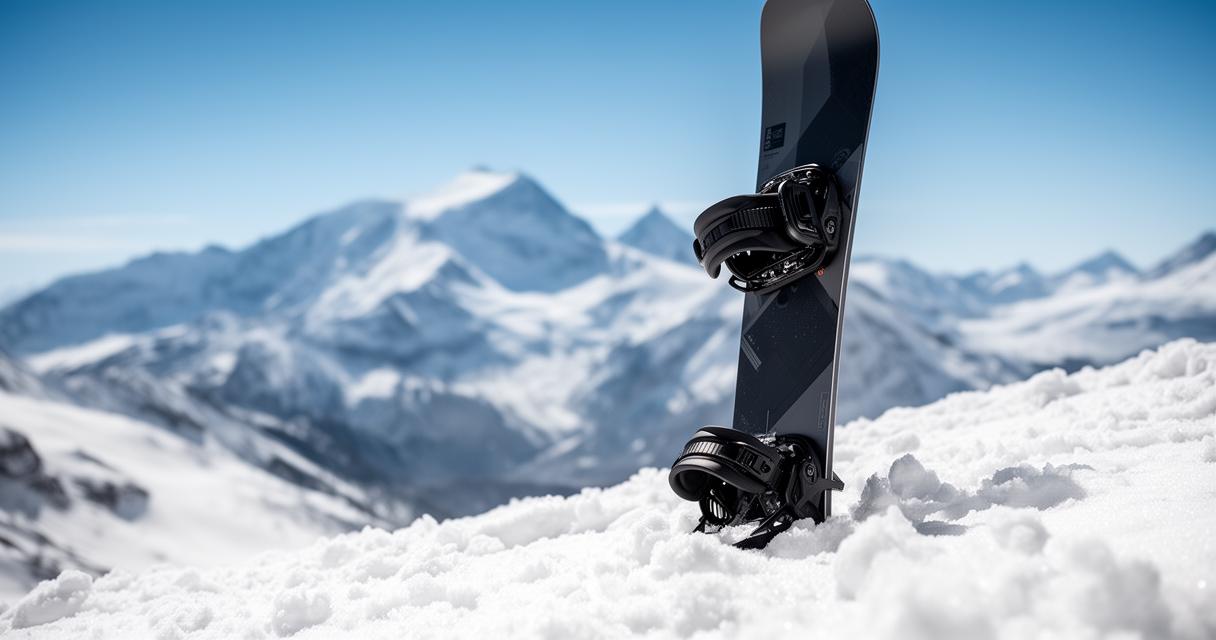
On the men's side, the Felix, Ruler, and Swath bindings offer their own distinct character. One particularly useful feature across these models is the zero forward lean option, which allows riders to adjust their highback settings to suit personal preference and riding discipline. Some prefer a more upright stance for freestyle tricks, whilst others favour a pronounced lean for aggressive carving. Having that flexibility built into the design means these bindings cater to a wider spectrum of styles without forcing compromise. Whether tackling park features or bombing down steeper runs, riders can fine-tune their setup rather than settling for a fixed configuration that might not suit their technique.
Choosing the Right Burton Binding: Sizing, Boot Compatibility, and Essential Accessories
Selecting Proper Sizes and Ensuring Compatibility with Burton Boots and Shoes
One important caveat with the Step On system is that it's not compatible with regular snowboard boots. Riders must invest in specific Step On boots required to make the whole mechanism function correctly, which does add an extra cost to consider when budgeting for new gear. These boots typically incorporate a Boa lacing system, offering a precise, dial-adjusted fit that many riders find superior to traditional laces. It's worth noting, however, that some testers experienced minor discomfort during initial wear, though this was largely attributed to the boots simply being new rather than any fundamental design flaw. Compatibility extends across boards featuring The Channel and the standard 2×4 hole pattern, giving riders decent flexibility when pairing bindings with their board of choice.
For families with growing children, Burton has thought carefully about longevity. Kids' clothing includes adjustable sleeves and pant legs that extend by up to four centimetres, alongside removable footbeds in boots, ensuring gear lasts longer as youngsters grow throughout the season.
Pricing Considerations and Useful Accessories: Bags, Poles, and Maintenance
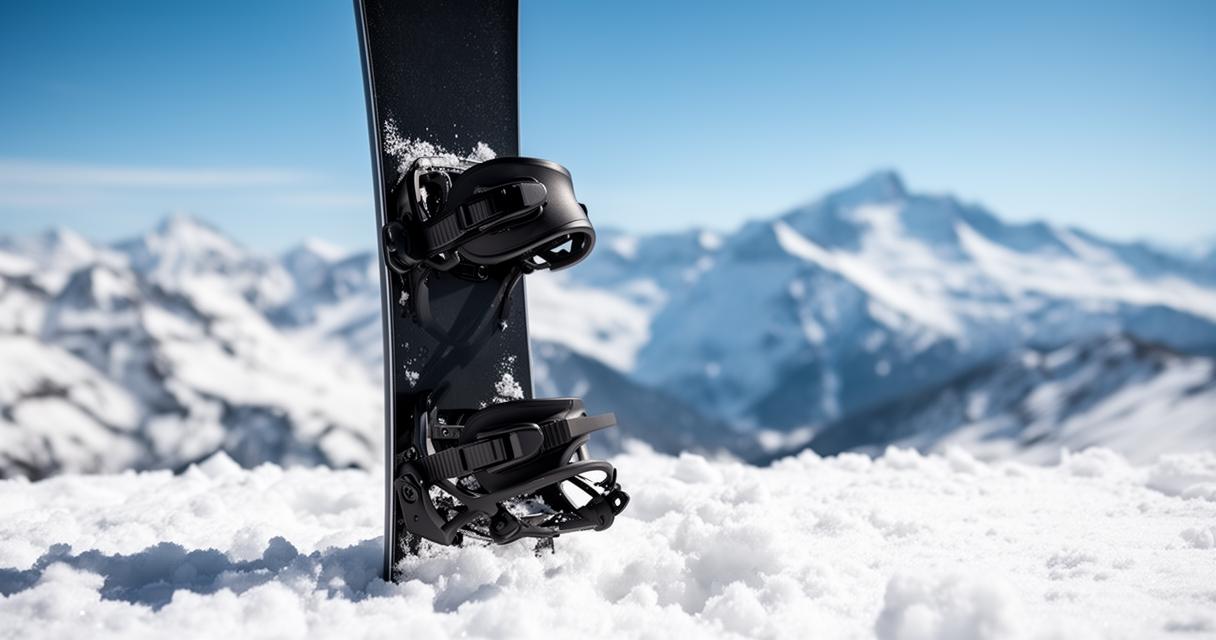
There's no getting around the fact that Step On bindings and their associated boots carry a higher cost than traditional setups, and this limited compatibility with only specific boot models is a genuine consideration for anyone weighing up the investment. That said, Burton backs the baseplate with a lifetime warranty, whilst other components receive a one-year warranty, offering reassurance that the purchase is built to last. Beyond the bindings themselves, riders will find a full range of accessories available, including bags for transporting gear, poles, and various maintenance products to keep everything performing well season after season. Shoppers can also take advantage of free standard shipping on orders over one hundred pounds, making it easier to stock up on essentials across categories such as snowboards, boots, helmets, goggles, apparel, and general accessories. Ultimately, whilst traditionalists may need a little time adjusting to this new way of clipping in, the blend of convenience and genuine performance makes Burton's Step On range a compelling option for riders of nearly every level.