
 sudoku-ball
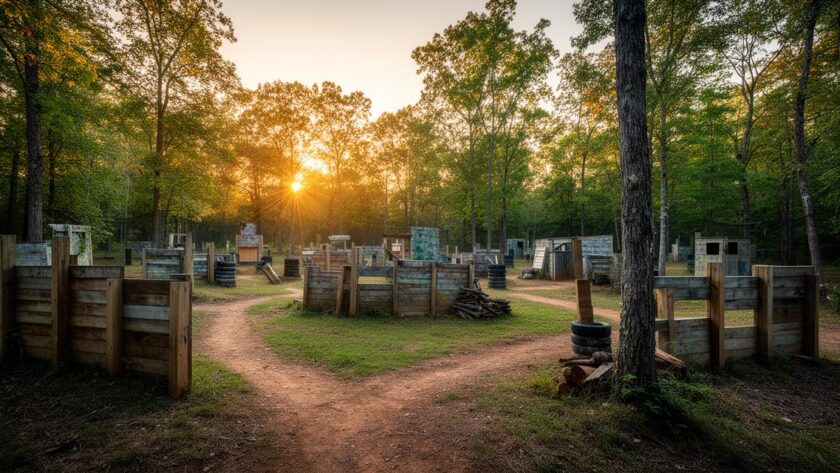
 Running a successful paintball venue takes far more than simply clearing a patch of woodland and handing out markers. The way you design your site, the audience you cater to, and the safety measures you put in place all combine to shape whether players leave buzzing with excitement or disappointed by a cramped, confusing experience. Whether you're just starting out or looking to refresh an existing site, thinking carefully about layout and flow will pay dividends in repeat custom and glowing reviews.
In brief
- A successful paintball field requires a flexible layout that accommodates diverse game formats, from fast-paced elimination matches to tactical capture-the-flag scenarios.
- Dividing the site into distinct zones—ranging from open areas for aggressive play to maze-like sections for calculated movement—keeps the experience varied and engaging.
- Incorporating a mix of natural and artificial cover is essential, as it allows players to protect themselves effectively while enabling advanced shooting techniques.
- Facility design should be tailored to the target audience, with dedicated spaces for younger players like laser tag zones to ensure a safe and enjoyable environment for families.
- Balancing competitive challenges with casual play is key to customer retention, as it satisfies both experienced enthusiasts and groups looking for recreational fun.
- Prioritizing safety through clear pathways, strict goggle requirements, and well-marked boundaries is fundamental to creating a professional and sustainable paintball venue.
Designing a Strategic Field Layout for Diverse Game Formats
A well-designed paintball field needs to cater to a range of game formats, from fast-paced elimination matches to slower, more tactical capture-the-flag scenarios. The trick is to avoid a one-size-fits-all approach and instead build a site that can flex depending on the group booking in. Operators such as GO Paintball London have shown that offering varied experiences for both adults and children keeps a venue relevant to a wider customer base, rather than pigeonholing it as a single type of attraction.
Creating zones that accommodate different play styles
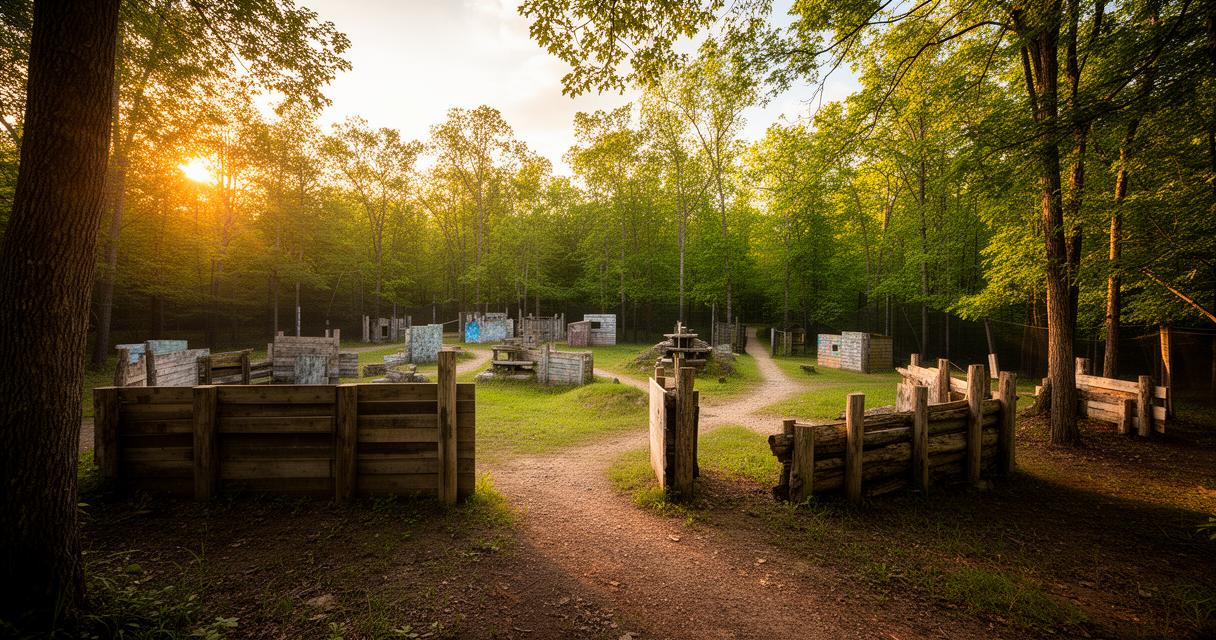
Splitting your site into distinct zones is one of the most effective ways to give players a sense of variety within a single visit. Open areas encourage aggressive play and quick advances, rewarding those who like to push forward and take ground rapidly, while tighter, maze-like sections suit players who prefer a slower, more calculated approach. According to tips shared by Tommy 'Gun' Pemberton, a former UK number one paintball player and World Cup winner, understanding the specific game objectives of each zone helps players plan their movements and helps operators design layouts that reward smart strategic planning rather than blind rushing. Referees can also be a useful resource here, offering insight into which layouts tend to produce the most enjoyable, balanced matches.
Incorporating natural and artificial cover elements
Cover is the backbone of any good paintball field. Trees, bunkers, tyres, and wooden structures all serve the same purpose: giving players somewhere to hide their entire body while they assess the situation. Pemberton's advice on using cover is blunt but essential, as exposing even a small part of your body is often enough to get eliminated. A mix of natural woodland cover alongside purpose-built artificial structures gives a site character while also offering practical protection, and it means no two games ever feel quite the same. This variety also supports more advanced techniques, including diagonal shooting and rolling shots, where players lean out just far enough to fire before ducking back to safety.
Tailoring your facility to your target market
Understanding exactly who you're building your field for makes every other decision easier, from the height of barriers to the type of markers you stock. A venue aimed squarely at hardcore competitive players will look very different from one designed to host birthday parties and school trips.
Family-Friendly Zones and Activities for Children
Children as young as six can take part in gentler alternatives such as Forest Laser Tag, which removes the sting of paintballs while keeping the thrill of outdoor combat games intact. Building dedicated adventure camps and kid-friendly zones separate from the main adult fields allows families to enjoy a day out together without younger players feeling overwhelmed. Many operators also run birthday parties, corporate away days, and even stag dos on the same site, so having flexible spaces that can be reconfigured for different group sizes and ages is invaluable. School trips in particular benefit from having a controlled, safe environment where teachers can supervise easily while pupils still get a genuine adrenaline rush.
Balancing competitive and casual gaming experiences
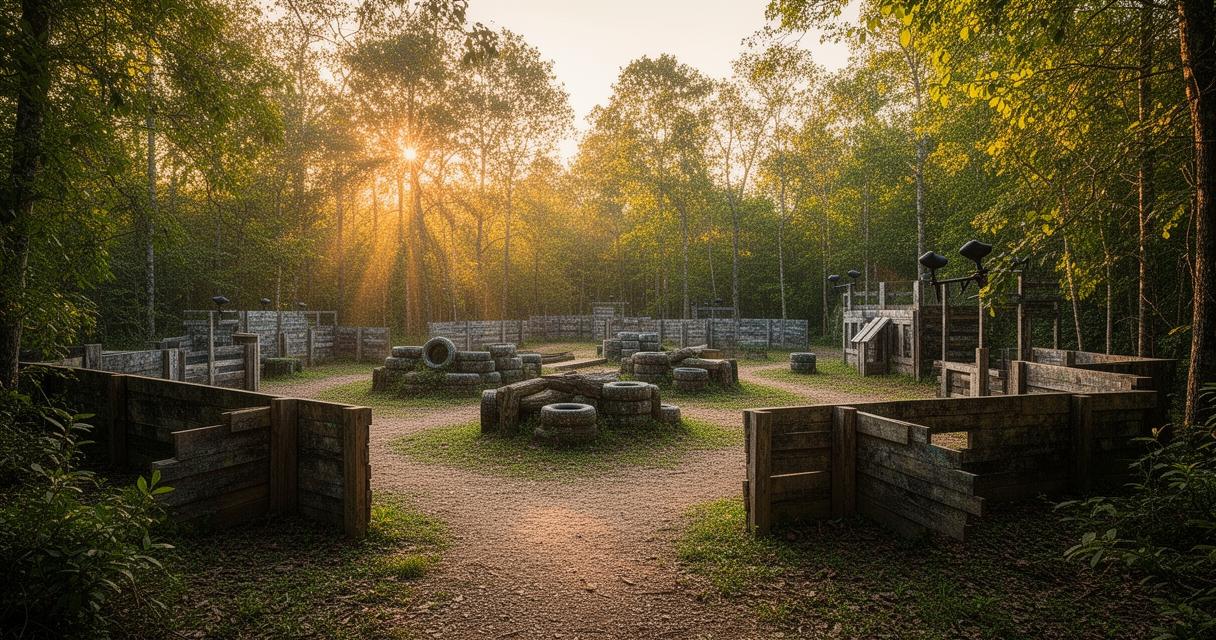
Not every visitor wants a World Cup-style showdown, but plenty do, so striking a balance between casual fun and genuine competitive challenge is key to keeping both crowds happy. Offering advanced zones with tighter cover and tactical positioning options gives experienced players somewhere to test their skills, while simpler, open fields suit those just there for a laugh with friends or colleagues. Special touches such as free sniper rifles for certain bookings, pizza discounts, or extra paintballs thrown in as part of a package can make a huge difference to how a day is remembered, turning a decent outing into one worth recommending to others.
Maximising player safety and movement flow
No matter how exciting a layout looks on paper, none of it matters if players don't feel safe moving around the site. Safety and enjoyment go hand in hand, and cutting corners here almost always backfires eventually.
Ensuring adequate space for safe navigation
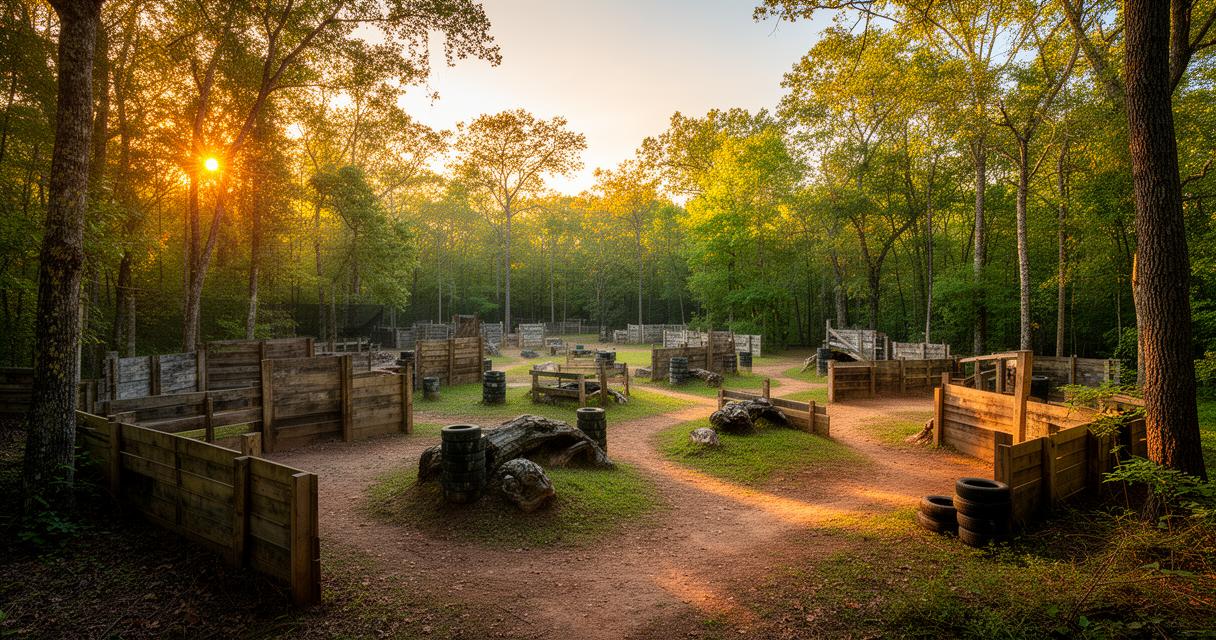
Every field needs generous walkways and clear sightlines so players can move quickly without colliding with obstacles or each other. Vision matters enormously here too, and Pemberton stresses that properly fitted goggles are non-negotiable, since a clear view of the battlefield is what allows players to react safely as well as competitively. Gun handling basics, such as keeping a paintball gun held upright to avoid accidental misfires, should be drilled into every visitor before they set foot on the field, regardless of experience level.
Establishing clear boundaries and safety zones
Marked boundaries prevent players from wandering into areas that aren't supervised, while designated safety zones give people somewhere to remove their masks and take a breather without risk. Field awareness is something Pemberton highlights repeatedly, as knowing where every zone sits on the map allows for far better decision-making mid-game. Alongside physical boundaries, operators should think seriously about insurance and legal responsibilities, since a well-run site protects both the business and the players who trust it with their safety. Gathering feedback after each session, whether through quick surveys or informal chats, also helps identify blind spots in the layout before they become genuine hazards. For larger events or private bookings, having mobile equipment options available means you can scale up quickly, transforming a standard site into something suitable for bigger tournaments or corporate away days without needing permanent infrastructure changes.